
Ameano Peptides lab testing and COAs
Ameano Peptides lab testing is built around the batch. Every research vial has a batch number, and every batch has a certificate of analysis on file. Here is what the purity figure means, what the COA shows and how to get the one for your vial.
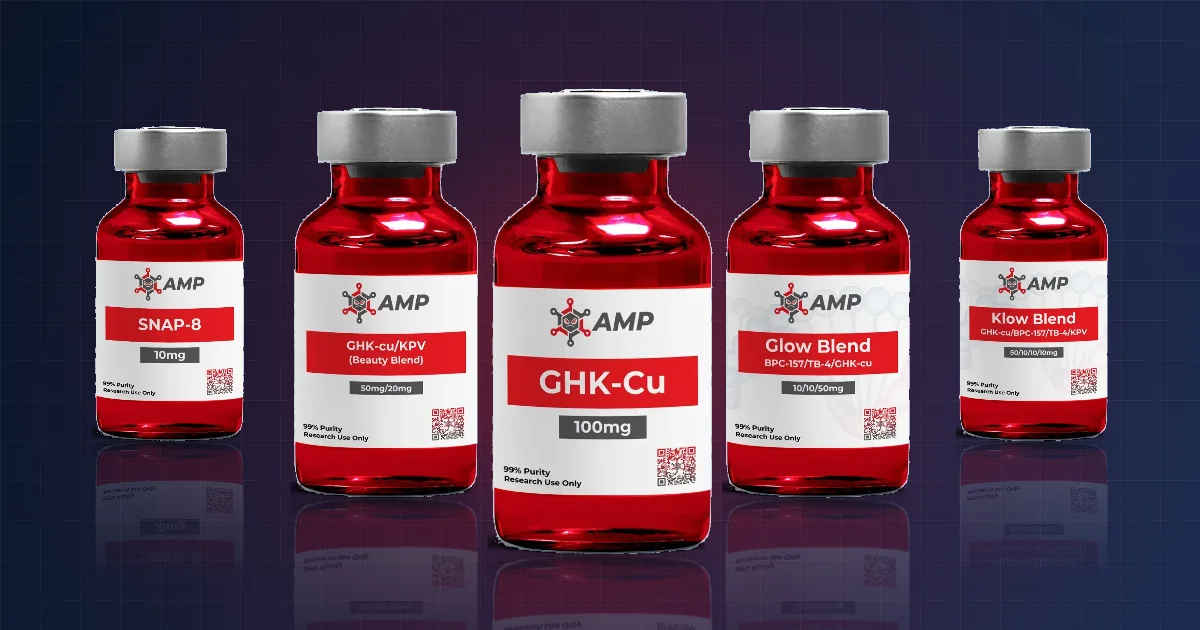
How Ameano Peptides lab testing measures purity
Purity is measured by high-performance liquid chromatography (HPLC). The method pushes a dissolved sample through a packed column, and each component comes out at a different time. A detector measures how much of the total is the target peptide. If the result is 99.2%, then 99.2% of what the detector saw was the peptide itself.
Almost every Ameano research peptide is made to a 99% minimum. That figure is a floor for each batch, not a best result, and it’s stated on each product page under purity and testing.
What an Ameano Peptides COA shows
Each round of Ameano Peptides lab testing ends in a certificate of analysis, the batch record for what’s in your vial. It names the compound and the amount per vial, carries the same batch number as your label, and gives the HPLC purity result for that batch. That last figure is the one most labs want for their records.
How to get the COA for your vial
Find the batch number printed on the vial label. Email it to sales@ameanopeptidesusa.com with the product name, and we’ll send the certificate for that batch. Keeping COAs by batch means the paperwork always matches the vial in your hand, not a generic sample.
Ameano Peptides lab testing across the range
The same process covers the GLP-1 peptides like AMP-3P, the recovery peptides like BPC-157 and TB-500, and the blends, where each component is listed. The research diluent is made sterile, and its pages describe the vial and the solution.
The skin care and hair care lines are finished cosmetics. Their pages list the ingredients and directions, since an HPLC purity figure doesn’t mean much for a cream or a shampoo.
Purity figures for blends
A blend such as the Glow blend or Reta Cagri blend holds more than one peptide, so its COA lists each component and its amount. The purity spec applies to each peptide before it’s combined. That’s why blend pages show the ratio, for example 10mg/10mg, as well as the total.
Storage keeps the result valid
Clean technique matters too. Wipe the stopper with alcohol, use a fresh sterile needle and add the diluent slowly down the side of the vial. A purity figure only holds if the vial is stored well. Keep sealed vials in the fridge, or the freezer for long storage, away from light. After mixing, keep them cold and use them within about 28 days.
Ameano Peptides lab testing FAQ
Is every batch tested?
Yes. Each batch has its own COA on file under its batch number.
Can I see a COA before I order?
Email us the product you’re interested in and we’ll tell you what the current batch shows.
Is there a charge for a COA?
No. Email us the batch number and we’ll send it at no cost.
Why isn’t the COA in the product photos?
Because batches change. Sending the COA that matches your label is more useful than a photo of an older batch.
Shop lab-tested research peptides
Most peptides are made to 99% purity or better, with a COA for every batch on request.
Popular lab-tested peptides
Every product below goes through the same Ameano Peptides lab testing process.

Ameano Peptides research products are sold for laboratory research use only. They are not for human or veterinary use and have not been evaluated by the FDA. Skin care and hair care products are cosmetics for external use.